
Why Wastewater Treatment in Delaware is Crucial for Environmental Protection


The Importance of Wastewater Treatment
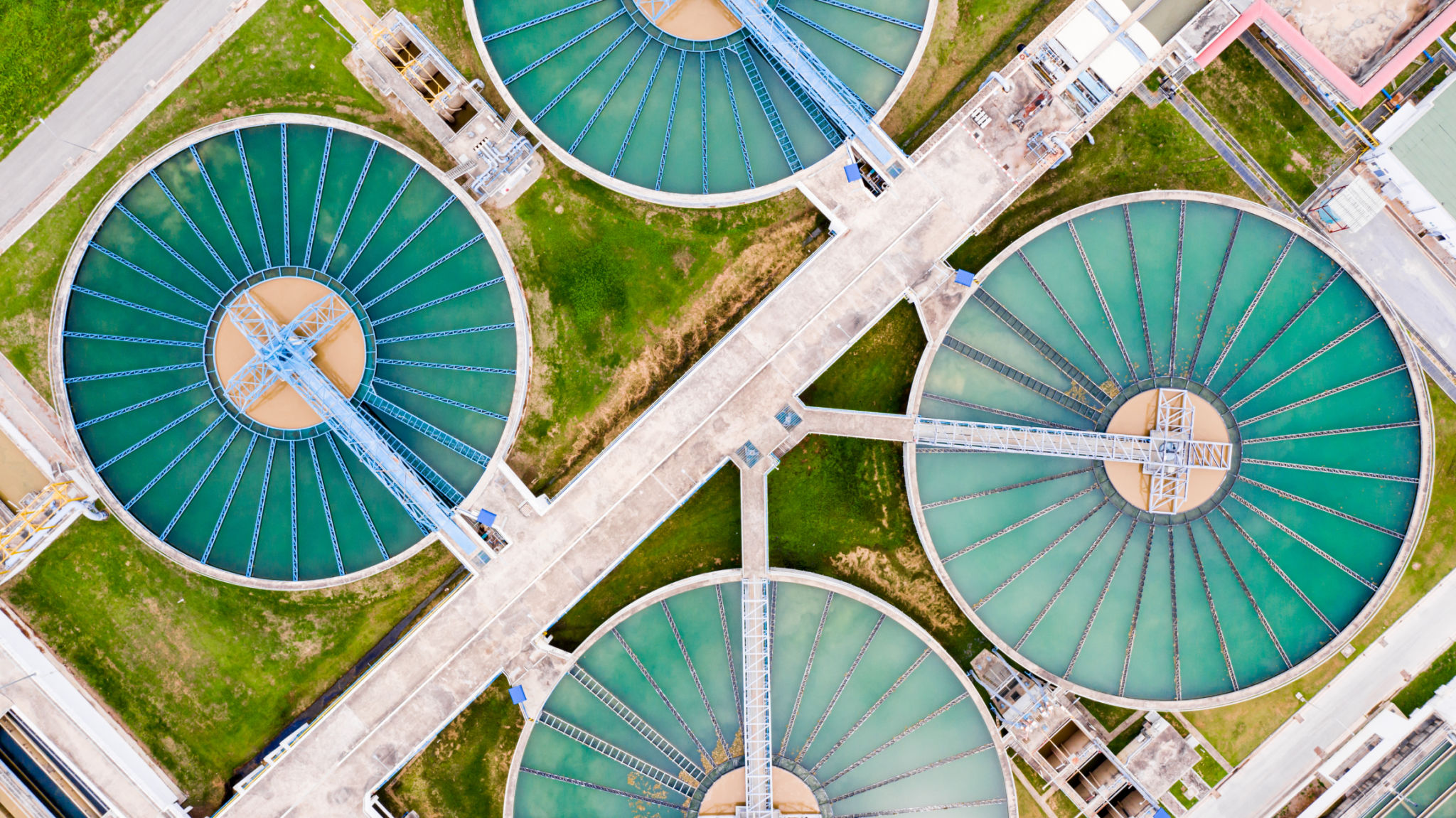
Wastewater treatment is a critical component of environmental conservation, especially in regions like Delaware. As a state with a rich network of waterways, Delaware relies heavily on effective wastewater management to protect its natural resources. Proper treatment ensures that contaminants are removed from water before it is released back into the environment.
By investing in wastewater treatment, Delaware is taking significant steps toward safeguarding its ecosystems. Effective treatment processes help maintain water quality, which is essential for both human and wildlife health.

Protecting Delaware's Ecosystems
Delaware's diverse ecosystems, from wetlands to coastal regions, depend on clean water to thrive. Untreated or poorly treated wastewater can introduce harmful substances that disrupt these delicate environments. Pollutants like nitrogen and phosphorus can lead to algal blooms, which deplete oxygen levels and harm aquatic life.
Moreover, preserving water quality supports biodiversity. Healthy ecosystems provide habitats for various species, some of which are unique to Delaware. Protecting these environments ensures the sustainability of the state's natural heritage.
Health Benefits for Communities
Wastewater treatment is not only vital for environmental protection but also for public health. Contaminated water can carry pathogens that pose serious health risks to communities. By effectively treating wastewater, Delaware reduces the incidence of waterborne diseases, promoting a healthier population.
Access to clean water is a fundamental human right, and ensuring this through proper wastewater management is a commitment to the well-being of all residents.
Economic Advantages
Investing in wastewater treatment infrastructure has substantial economic benefits. Clean waterways support industries such as fishing, tourism, and recreation, which are vital to Delaware's economy. Ensuring water quality attracts visitors and boosts local businesses, contributing to economic growth.
Furthermore, modernizing wastewater treatment facilities can create jobs and stimulate innovation in environmental technologies, positioning Delaware as a leader in sustainable practices.
Challenges and Solutions
While the benefits of wastewater treatment are clear, challenges remain. Aging infrastructure and funding constraints can hinder progress. However, implementing innovative solutions and securing investments can address these issues effectively.
- Adopting advanced treatment technologies.
- Increasing public awareness and engagement.
- Collaborating with governmental and non-governmental organizations.

Conclusion
Wastewater treatment in Delaware is crucial for protecting the environment, ensuring public health, and supporting economic prosperity. By prioritizing this essential service, Delaware can maintain its natural beauty and promote a sustainable future for generations to come.