
Myths and Facts About Wastewater Treatment Technologies in Dover


Understanding Wastewater Treatment in Dover
Wastewater treatment is a critical process that ensures our water resources remain clean and safe. In Dover, as in many places, there are several myths and misconceptions about how these technologies work. To make informed decisions and support sustainable practices, it's essential to distinguish between myths and facts.
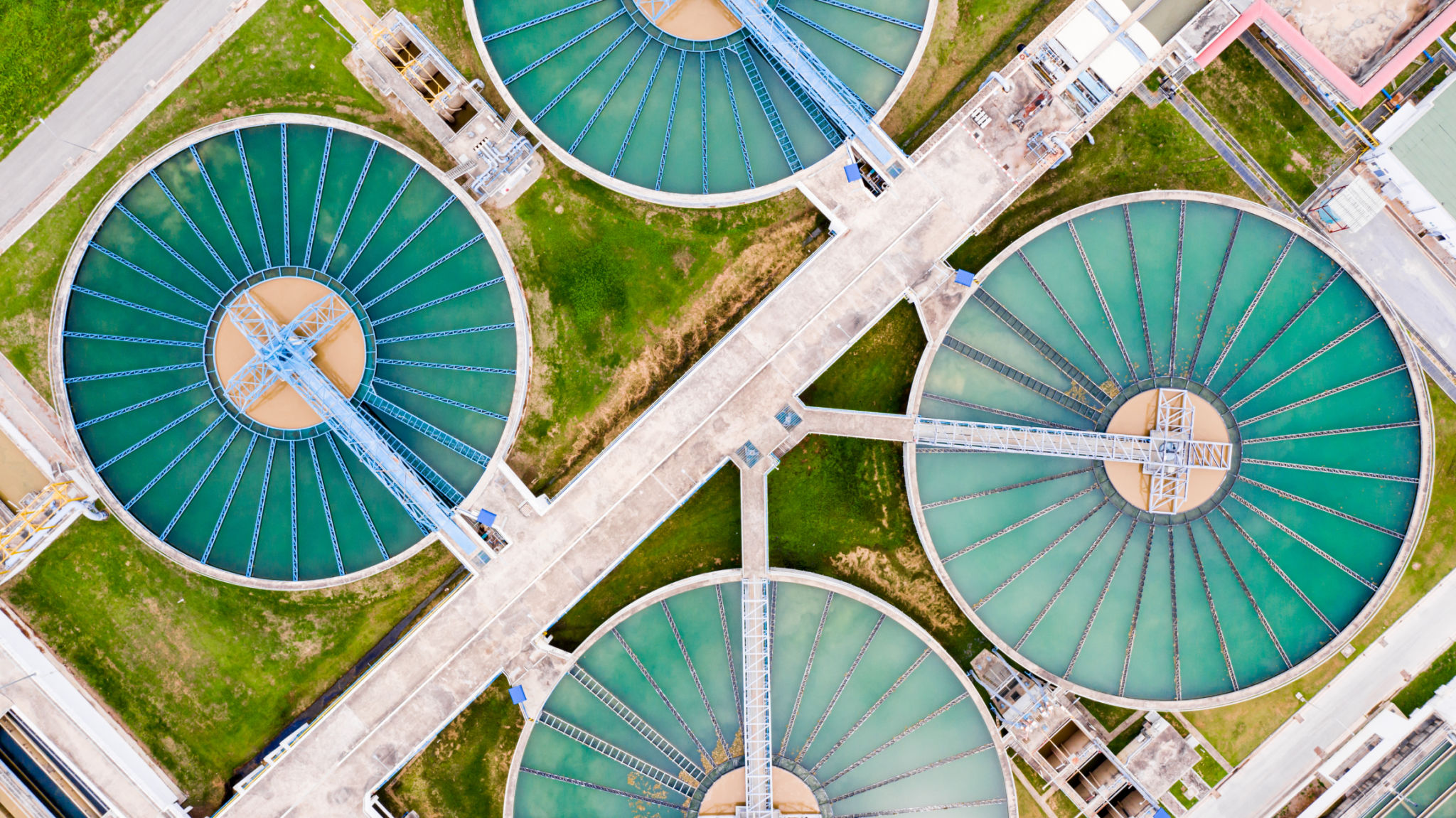
Myth: Wastewater Treatment Plants are Harmful to the Environment
A common misconception is that wastewater treatment plants cause environmental harm. In reality, these facilities are designed to minimize environmental impact. Modern treatment technologies effectively remove contaminants, ensuring that the discharged water is safe for ecosystems. The goal is to protect both human health and the environment.
While it's true that treatment plants consume energy, many are now incorporating renewable energy sources and advanced technologies to reduce their carbon footprint. These innovations contribute to making wastewater treatment more sustainable.
Fact: Advanced Technologies Enhance Efficiency
Technological advancements have significantly improved the efficiency of wastewater treatment processes. Techniques such as membrane filtration, biological nutrient removal, and UV disinfection are some examples of how treatment has evolved over the years. These technologies help remove a greater number of pollutants and ensure high-quality water output.

By investing in such technologies, Dover's wastewater treatment facilities can manage increasing demands while maintaining environmental standards. This ongoing commitment to improvement reflects a proactive approach to water management.
Myth: Wastewater Treatment is Only About Water Purification
Another myth is that wastewater treatment solely focuses on purifying water. While purification is a primary objective, modern facilities also emphasize resource recovery. This includes extracting nutrients like nitrogen and phosphorus, which can be reused as fertilizers, and capturing biogas for energy production.
Resource recovery not only enhances sustainability but also offsets some operational costs, making wastewater treatment more economically viable.

Fact: Community Involvement is Essential
Effective wastewater management requires community involvement and awareness. Public education campaigns and community programs help residents understand the importance of wastewater treatment and how they can contribute to its success. Simple actions like proper disposal of household waste and reducing water usage can make a significant difference.
Dover's community has been actively participating in initiatives aimed at promoting sustainable water practices, reinforcing the collective responsibility to protect our natural resources.
Conclusion: Moving Forward with Knowledge
By debunking myths and acknowledging the facts, we can better appreciate the role of wastewater treatment technologies in maintaining a healthy environment in Dover. As we move forward, continued investment in technology and community engagement will be key to ensuring sustainable water management for future generations.