
Debunking Myths: Common Misconceptions About Industrial Water Technologies


Understanding Industrial Water Technologies
Industrial water technologies are vital for various sectors, ensuring the efficient use and management of water resources. Despite their importance, many misconceptions surround these technologies, leading to misunderstandings and inefficiencies. This blog post aims to debunk some of the most common myths and provide clarity on this essential subject.

Myth 1: All Industrial Water Technologies Are the Same
One prevalent misconception is that all industrial water technologies are identical. In reality, these technologies are diverse and tailored to specific needs. They include water purification, desalination, wastewater treatment, and more. Each technology serves distinct purposes, ranging from cleaning water for reuse to removing contaminants.
The variety of technologies available allows industries to address unique challenges, such as reducing water consumption or meeting environmental regulations. Understanding the differences can help businesses choose the right solutions for their specific requirements.
Myth 2: Industrial Water Technologies Are Too Expensive
Another common myth is that implementing industrial water technologies is prohibitively expensive. While there is an initial investment, these technologies often lead to significant long-term savings. By enhancing water efficiency and reducing waste, companies can lower operational costs and minimize environmental impact.
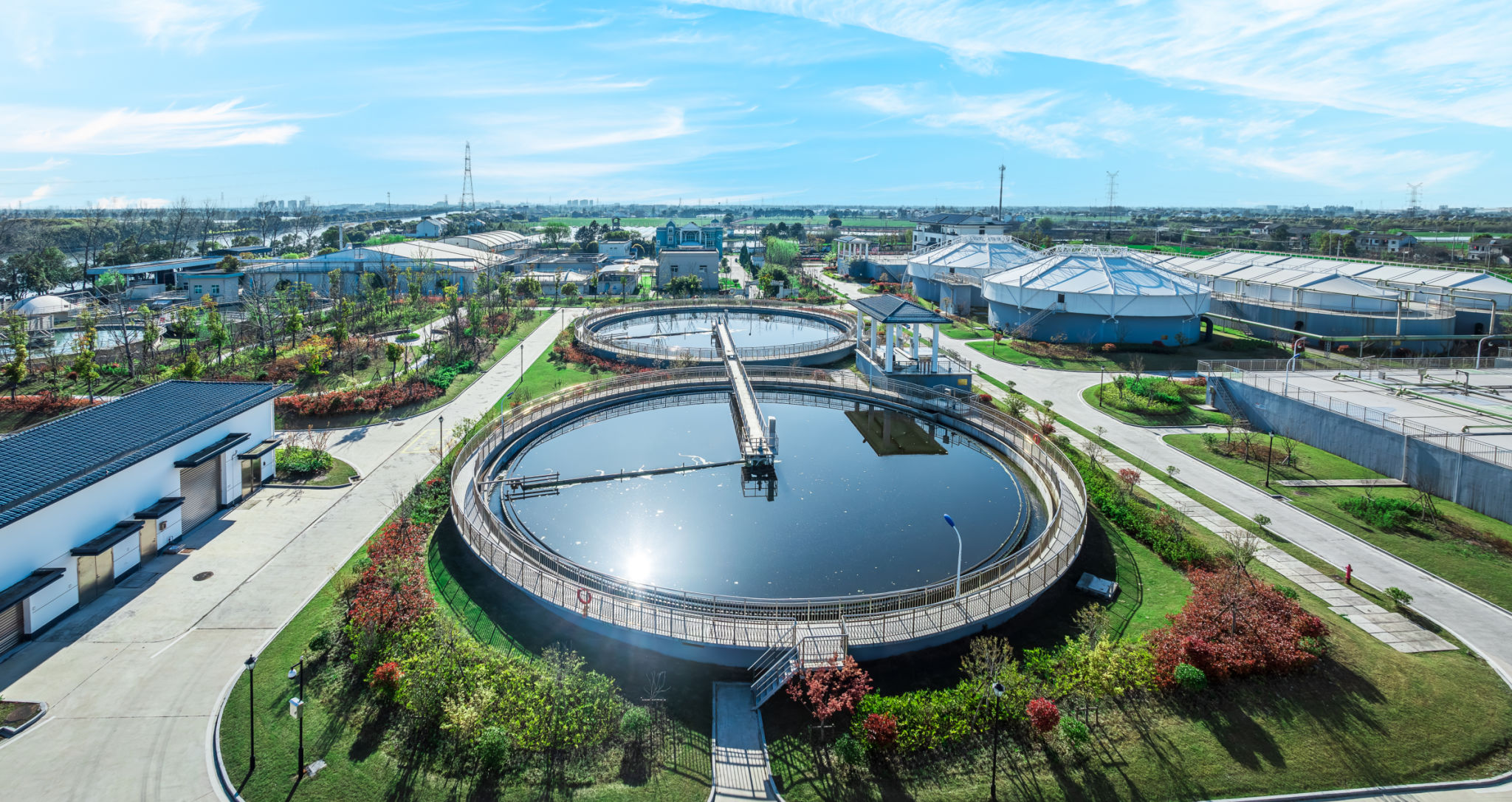
Furthermore, innovations in the field are continuously driving costs down, making these technologies more accessible to a broader range of industries. The long-term financial and environmental benefits often outweigh the initial expenses.
Myth 3: Water Recycling Lowers Water Quality
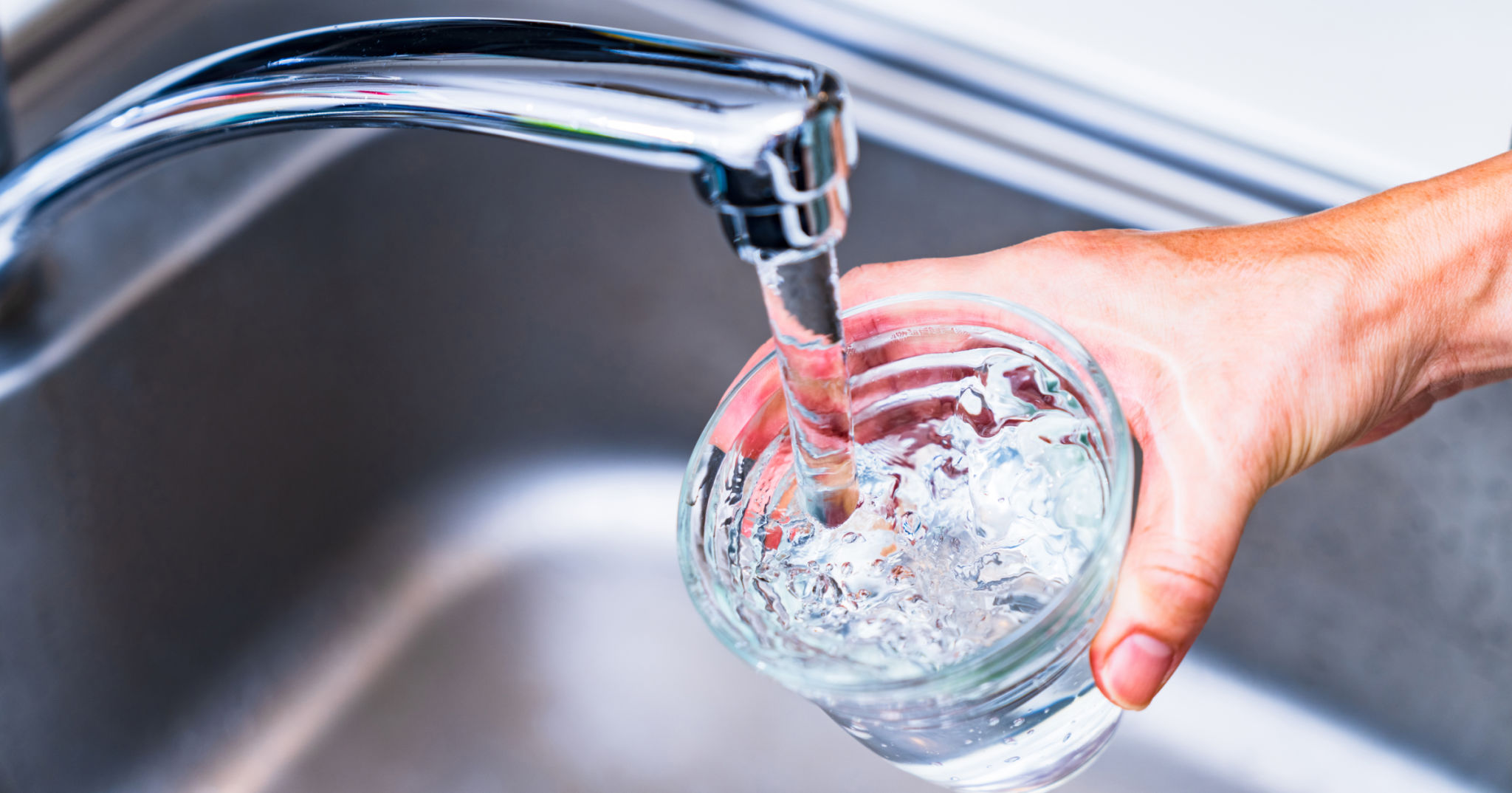
Some believe that recycling water automatically results in lower quality. However, modern industrial water technologies are designed to meet high-quality standards. Advanced filtration and treatment processes ensure that recycled water is safe for intended uses, whether for industrial applications or even potable purposes.
- Advanced filtration systems remove contaminants effectively.
- Regular monitoring ensures compliance with quality standards.
- Innovations continue to improve water quality outcomes.
Myth 4: Industrial Water Technologies Harm the Environment
Contrary to this belief, these technologies often help protect the environment by promoting sustainable water management practices. By treating and recycling water, industries can significantly reduce their ecological footprint. They also help in minimizing freshwater extraction, preserving natural water bodies.
Many companies are now integrating eco-friendly practices and technologies that align with environmental goals. These advancements contribute positively to ecosystems and help industries meet regulatory requirements.
Conclusion
Understanding the truth behind industrial water technologies is crucial for industries aiming to optimize their water usage and reduce environmental impact. By debunking these myths, businesses can make informed decisions and leverage the full potential of these technologies. Continued education and innovation will ensure that these systems contribute positively to both the economy and the environment.